
What causes this
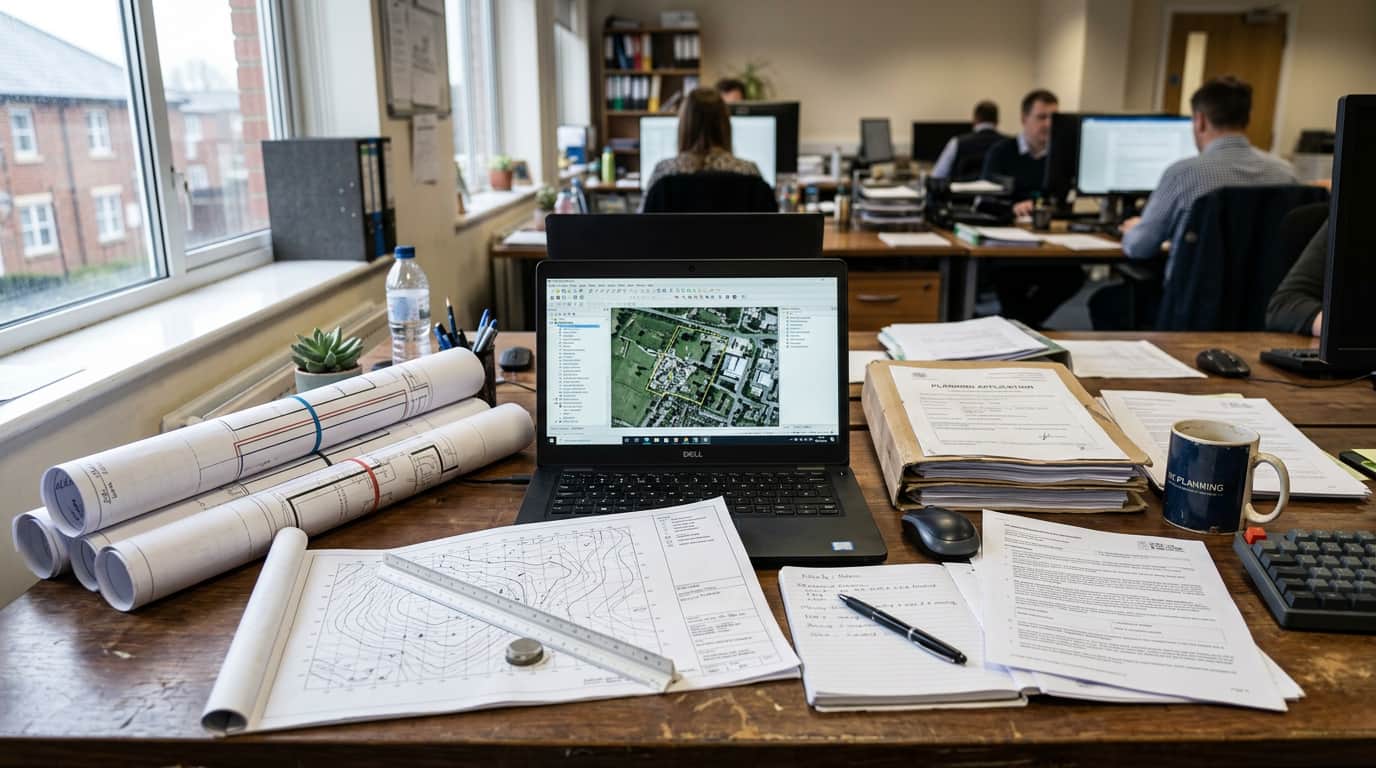
On sites like this, the planning question is rarely solved by one drawing alone. External levels, existing structures, and buried services can all affect what the designer can safely draw and what the contractor can later excavate. A common example is a rear garden extension site where planning and excavation decisions with no reliable buried-services record and the next decision has to be made around narrow side return and boundary-sensitive excavation.
Used properly, this kind of example clarifies the decision without turning the whole article into a single case study.
Why it matters on real sites
The Chiswick example shows why the buried-services element mattered before the dig package moved ahead. Without that information, the planning-stage assumptions would have carried straight into a risky excavation sequence. For a local route, start with Utility Survey in Chiswick.
The practical value is in checking the issue against the real site conditions instead of relying on generic assumptions about the service or scope.
What usually happens next
The outcome was not just a cleaner planning file. It was a design package that made more sense when the project reached the groundworks stage. The aim is to make the next decision clearer before time, cost, or disruption widen unnecessarily.
That usually means confirming whether the issue needs a survey, a repair route, a tighter scope, or a more informed quote.
If this article matches what you are seeing on site, the next step is a scoped quote based on the actual issue rather than guesswork.
Get a survey quoteRelated services and guides
This is usually relevant when planning and early contractor coordination overlap, especially on extensions and constrained domestic sites where buried services can change the practical build route. If you need a local service page, start with Utility Survey in Chiswick. For the same area, the most relevant supporting pages are topographical survey in Chiswick, measured building survey in Chiswick.
For broader reading, use what survey is needed before an extension. If you want to compare it with a live job, utility survey before excavation in Chiswick shows how the issue played out on site.
If this article matches the issue you are planning around, the next step is a scoped quote that reflects the real site constraints and the right service route.
Get a survey quote