
What the decision depends on
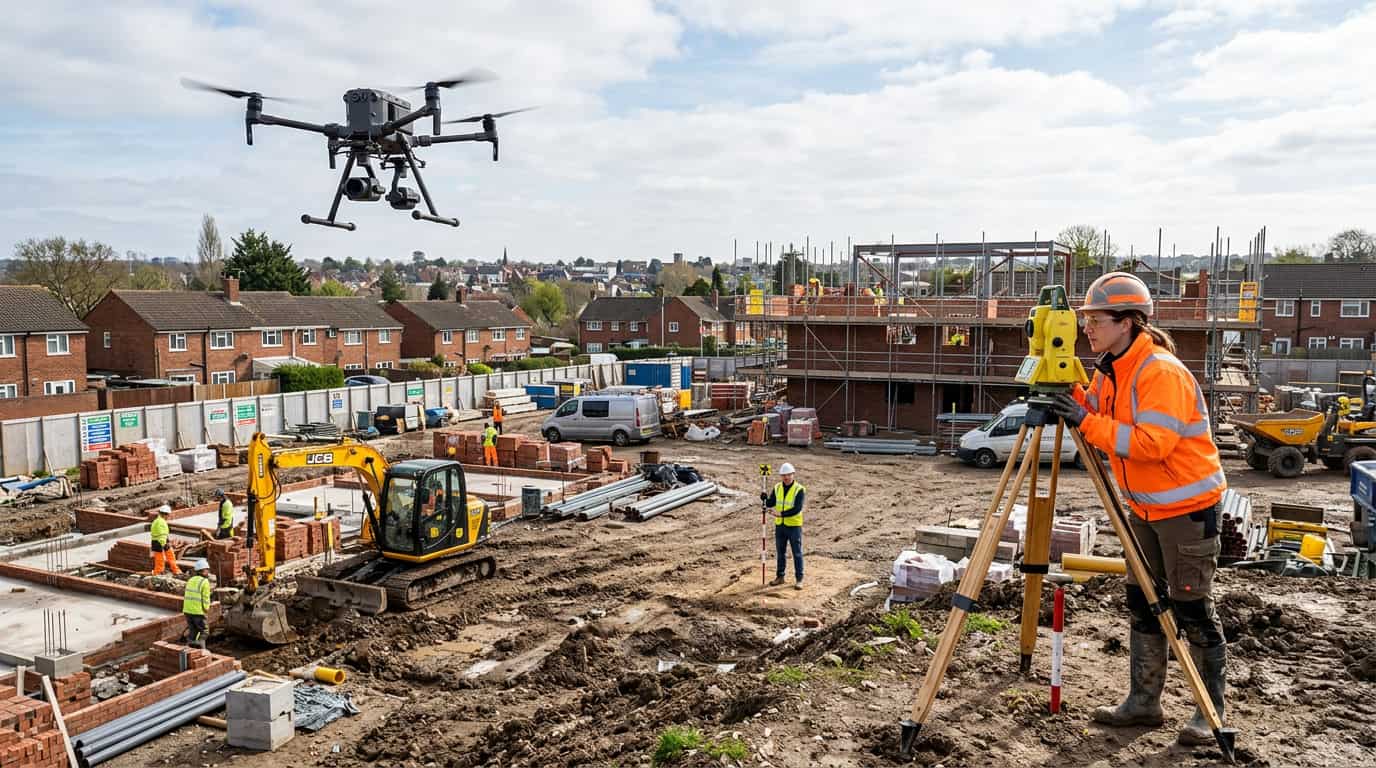
On this kind of job, the real question is whether the information gap sits inside the building, across the external site, or in both. Drone capture is not a substitute for internal as-built work just because it is fast. A common example is a period conversion with split-level layout where choosing the right survey method before internal redesign and the next decision has to be made around occupied flats and tight internal access.
Used properly, this kind of example clarifies the decision without turning the whole article into a single case study.
Where one route fits better than another
The Richmond conversion needed internal accuracy first, so the measured building survey remained the core deliverable. Drone capture would only have added value if the external context or roof condition had also been part of the same brief. For a local route, start with Measured Building Survey in Richmond.
The practical value is in checking the issue against the real site conditions instead of relying on generic assumptions about the service or scope.
How to choose the right scope
The result was a more efficient survey scope, not a more expensive one. Picking the right method kept the client from paying for attractive outputs that would not have solved the actual design problem. The aim is to make the next decision clearer before time, cost, or disruption widen unnecessarily.
That usually means confirming whether the issue needs a survey, a repair route, a tighter scope, or a more informed quote.
If this article matches what you are seeing on site, the next step is a scoped quote based on the actual issue rather than guesswork.
Speak to a surveyorRelated services and guides
This comparison is most useful when a project team is choosing methods and needs to match the survey to the real design question rather than a fashionable tool. If you need a local service page, start with Measured Building Survey in Richmond. For the same area, the most relevant supporting pages are drone survey in Richmond, topographical survey in Richmond.
For broader reading, use surveys for architectural design. If you want to compare it with a live job, measured building survey for Richmond period conversion shows how the issue played out on site.
If this article matches the issue you are planning around, the next step is a scoped quote that reflects the real site constraints and the right service route.
Speak to a surveyor